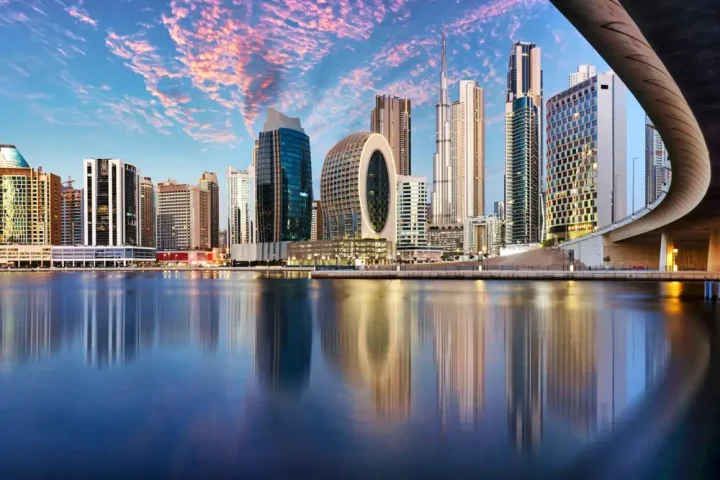
Dubai is a city that defies limitations—a place where the impossible becomes reality, where man-made islands rise from the sea, and where the tallest building in the world touches the sky. It is a global hub of business, tourism, and innovation, known for its luxury, advanced infrastructure, and progressive policies. But Dubai was not always the ultra-modern metropolis it is today. Just a few decades ago, it was a modest desert outpost, reliant on pearl diving and trade, with little global influence. The transformation of Dubai from a small Gulf trading post into one of the world’s most iconic cities did not happen by accident; it was the result of visionary leadership, bold decision-making, and a relentless drive to achieve the extraordinary.
At the heart of this transformation stands Sheikh Mohammed bin Rashid Al Maktoum, a leader whose vision, determination, and innovative approach to governance have shaped Dubai into what it is today. His leadership has been defined by ambitious infrastructure projects, economic diversification, and an unwavering commitment to making Dubai a beacon of progress. Since assuming power in 2006, Sheikh Mohammed has overseen an era of explosive growth, taking the foundations laid by his predecessors and building a futuristic city that captures the world’s imagination. Under his rule, Dubai has become synonymous with progress, setting global benchmarks in urban planning, economic development, and innovation.
Sheikh Mohammed was born on July 15, 1949, into Dubai’s ruling family, where he was raised in an environment that emphasized leadership and vision. From a young age, he was exposed to the responsibilities of governance, and it became clear early on that he had the ambition and foresight to lead. His formal education took him beyond the UAE, including military training at the prestigious Mons Officer Cadet School in the United Kingdom. This exposure to international education and training played a crucial role in shaping his leadership style. In 1971, at just 22 years old, he was appointed Minister of Defence for the United Arab Emirates, making him the youngest person to hold the position. This role provided him with valuable experience in strategy, security, and governance, further preparing him for the leadership that lay ahead.
By 1995, Sheikh Mohammed was appointed Crown Prince of Dubai, setting him on the path to becoming the future ruler of the emirate. His tenure as Crown Prince was marked by a series of transformative projects aimed at modernizing Dubai’s economy and positioning it as a global hub for trade and tourism. His initiatives, including the development of Dubai Internet City and Dubai Media City, were instrumental in establishing Dubai as a business-friendly destination that attracted international corporations and investors. However, the defining moment of his leadership came in 2006, when his brother, Sheikh Maktoum bin Rashid Al Maktoum, passed away suddenly. Sheikh Mohammed immediately ascended to power as the Ruler of Dubai and was soon after appointed Vice President and Prime Minister of the UAE.
From the moment he took office, Sheikh Mohammed made it clear that he was not interested in maintaining the status quo—he wanted to push Dubai to new heights. He saw the emirate not just as a regional hub but as a global center for commerce, tourism, and innovation. One of his first and most crucial moves was to reduce Dubai’s reliance on oil, a resource that had historically driven much of the Middle East’s wealth but was not sustainable in the long run. Instead, he focused on diversifying the economy, investing heavily in sectors such as tourism, real estate, aviation, and technology.
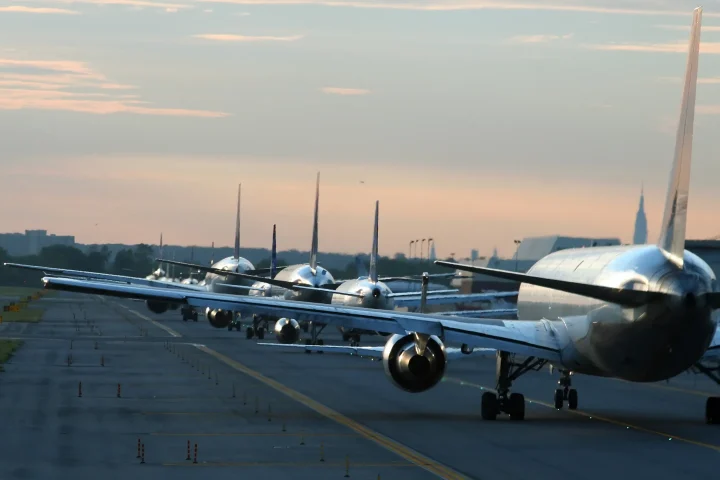
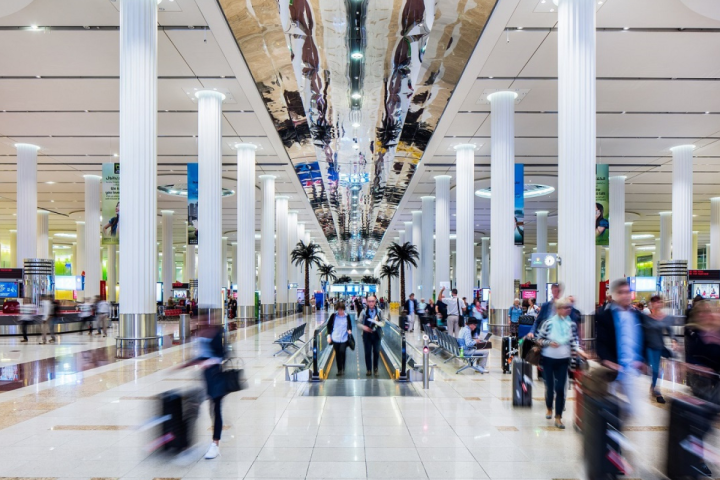
Dubai quickly became a hotspot for international tourism, with attractions such as the Burj Khalifa, the world’s tallest building, and the Palm Jumeirah, an engineering marvel that expanded the city’s coastline with its distinctive palm-shaped islands. Hotels, luxury resorts, and entertainment districts sprung up across the city, catering to millions of visitors from around the world. Sheikh Mohammed also prioritized infrastructure development, overseeing the construction of the Dubai Metro, a state-of-the-art automated rail system that revolutionized public transportation in the city. The expansion of Dubai International Airport and the rise of Emirates Airlines further cemented Dubai’s status as a global aviation hub, connecting continents and making the city a central transit point for travelers worldwide.
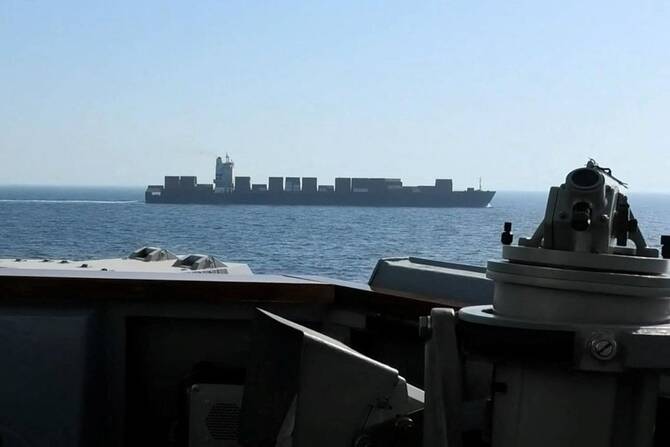
Beyond tourism, Sheikh Mohammed positioned Dubai as a leader in global finance and trade. The establishment of the Dubai International Financial Centre (DIFC) provided an attractive environment for multinational companies, offering a business-friendly regulatory framework that encouraged foreign investment. Meanwhile, Jebel Ali Port became one of the world’s busiest shipping hubs, playing a vital role in global logistics. His vision extended to technology and innovation, making Dubai the first city to introduce blockchain-powered government services and pioneering initiatives in artificial intelligence, smart city planning, and sustainable energy. His focus on innovation ensured that Dubai was not just following global trends but setting them.
But Sheikh Mohammed’s impact goes beyond business and infrastructure; he is also deeply involved in shaping Dubai’s cultural and sporting landscape. An avid horse racing enthusiast, he founded Godolphin Stables, one of the world’s most prestigious racing stables. Dubai has become a major sporting hub, hosting events such as the Dubai World Cup, the richest horse race in the world, as well as major international competitions in tennis, golf, and even basketball. His commitment to youth empowerment and talent development is also evident in initiatives like the Hamz Cup, a local football tournament that brings together talent from across the city and promotes unity.
His leadership extends beyond Dubai to his role as Vice President and Prime Minister of the UAE, where he has spearheaded nationwide initiatives in education, healthcare, and sustainability. His commitment to humanitarian efforts is evident in the Mohammed Bin Rashid Al Maktoum Global Initiatives, a foundation that supports global development programs, poverty alleviation, and crisis response in regions around the world. His governance style is characterized by pragmatism, efficiency, and a results-oriented approach, often summed up by his famous philosophy: “The race for excellence has no finish line.”
The question often arises—would Dubai have become the global powerhouse it is today without Sheikh Mohammed? While his father, Sheikh Rashid bin Saeed, laid the groundwork for modernization, there is no doubt that Sheikh Mohammed is the architect of modern Dubai. Without his leadership, there would be no Burj Khalifa, no Palm Jumeirah, no economic diversification that turned Dubai into a leading global city. His ability to dream big, take risks, and execute bold initiatives has made him one of the most influential leaders in the modern era.
As Sheikh Mohammed enters his 19th year as Ruler of Dubai, his vision continues to evolve. His latest initiatives, including the Dubai Economic Agenda (D33), Hyperloop transport systems, and AI-powered governance, promise to keep Dubai at the forefront of global innovation. He is not just a ruler—he is a builder of the future, a leader who understands that progress never stops. His legacy is already cemented, but his work is far from finished. Under his leadership, Dubai’s best days are yet to come.