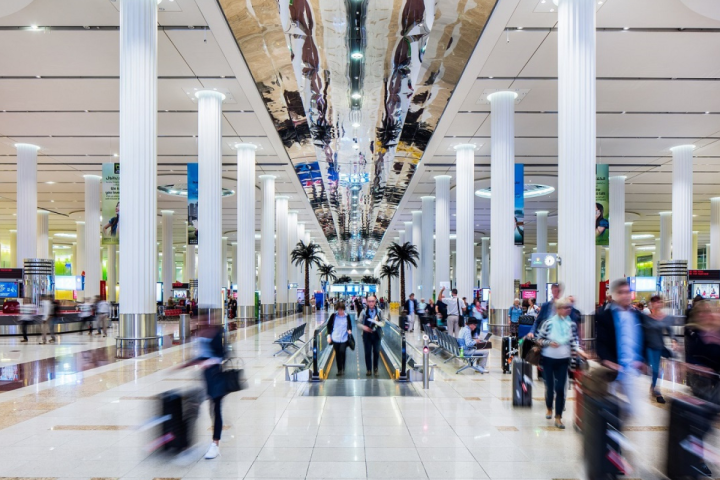
The design and furniture industry in Arabia is undergoing a transformation, fueled by rapid urban development across the region. As cities expand and new architectural projects arise, there is an increasing demand for innovative, luxurious, and functional designs that match the modern lifestyle. From opulent residential spaces to cutting-edge office environments, urban development is reshaping the way furniture is designed, manufactured, and consumed in the region. This article explores how urbanization and real estate growth are influencing the design and furniture market in Arabia and what trends are emerging as a result.
The Role of Urban Development in Arabia
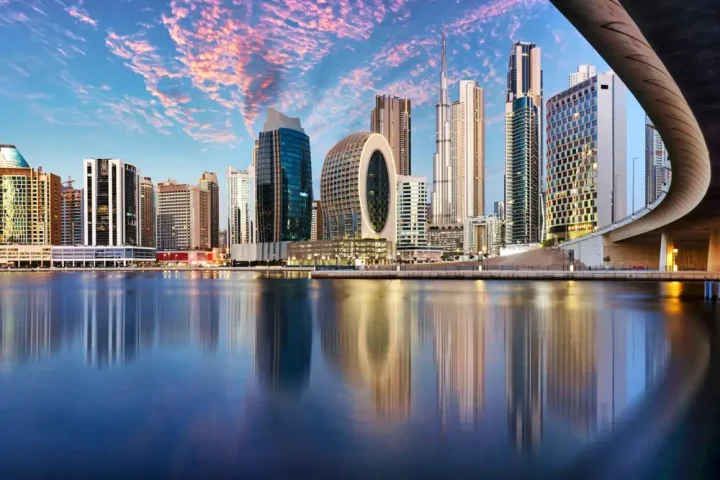
Urbanization in Arabia is on the rise, with significant investments being poured into infrastructure, residential projects, and commercial developments. Major cities like Dubai, Riyadh, and Abu Dhabi are experiencing a construction boom, with new residential neighborhoods, commercial spaces, and mixed-use developments. This urban growth is driving demand for high-quality, stylish furniture and interior design that align with the modern living and working environments being created.
Saudi Arabia’s Vision 2030 is a key example of how government initiatives are helping shape urban landscapes, not only through the development of mega-cities like NEOM but also by focusing on creating smart, sustainable, and aesthetically pleasing urban spaces. These efforts contribute to an increased demand for both residential and commercial design solutions that cater to evolving tastes and functional needs.
Key Trends in Design and Furniture in Arabia
1. Luxury and Customization
The Arabian Peninsula has long been associated with luxury, and this influence is evident in the design and furniture sector. High-net-worth individuals in cities like Dubai and Riyadh are investing in bespoke furniture that complements their opulent homes. Custom-made furniture pieces that incorporate high-end materials like marble, gold accents, and fine woods are becoming increasingly popular.
Furniture brands are offering personalized designs that cater to the unique tastes of wealthy clients. With a growing number of interior designers specializing in luxury and high-end projects, customers are demanding more exclusive, tailored solutions for their spaces. Whether it’s handcrafted furniture or limited-edition collections, luxury and customization remain significant drivers in the region’s design market.
2. Sustainability and Eco-Friendly Designs
Sustainability is another major trend shaping the design and furniture sector in Arabia. With the growing global focus on environmental conservation and the region’s own shift towards more sustainable practices, eco-friendly furniture is in high demand. Arabian consumers are increasingly seeking out products made from sustainable materials, such as reclaimed wood, organic fabrics, and recycled metals.
As part of the growing sustainability movement, many local and international furniture brands are exploring ways to reduce their environmental footprint by incorporating energy-efficient production methods and using eco-conscious materials. This focus on sustainability is aligning with the region’s broader goals of reducing carbon emissions and promoting greener lifestyles.
3. Minimalism Meets Luxury
Minimalist design continues to dominate the interiors of homes and offices across Arabia, but with a luxurious twist. Clean lines, functional layouts, and a focus on high-quality materials characterize minimalist furniture trends. The concept of “less is more” is being embraced, but it’s combined with the region’s affinity for opulence, resulting in minimalist designs with luxurious finishes.
This trend is especially popular in urban apartments and modern commercial spaces, where furniture needs to be both practical and stylish. Sleek, modular designs that optimize space without sacrificing comfort are becoming the standard for small apartments and high-rise buildings in urban centers.
4. Smart Furniture and Technology Integration
As cities in Arabia continue to develop and modernize, there is an increasing interest in smart homes and offices. Smart furniture that integrates with technology is one of the most exciting trends in the design and furniture sector. From smart desks that adjust to your preferred sitting and standing positions to chairs that provide ergonomic support with built-in technology, the region is embracing innovation in interior design.
Technology-driven furniture solutions that enhance functionality, comfort, and efficiency are especially popular in high-tech commercial spaces, where businesses demand cutting-edge designs that cater to the needs of a digitally connected workforce. Furthermore, urban development projects that incorporate smart city technologies are fostering a natural demand for furniture solutions that can integrate seamlessly with advanced home automation systems.
The Impact of Architecture and Real Estate Developments
Urban development is also influencing how spaces are designed from an architectural standpoint. The growing trend towards open-plan layouts in both residential and commercial buildings is influencing furniture design, as people look for pieces that fit into fluid, flexible spaces. Modular furniture that can be easily rearranged to adapt to changing needs is in high demand.
In addition, the rise of mixed-use developments, which combine residential, commercial, and recreational spaces, is creating opportunities for furniture designers to create multi-functional pieces that serve a variety of purposes. From furniture that can transition from day to night to pieces that combine seating, storage, and technology, urban development is pushing the boundaries of what furniture can do.
The Role of E-Commerce and Digital Platforms
The growth of e-commerce has further accelerated the demand for design and furniture in Arabia. Consumers are increasingly turning to online platforms to shop for furniture, especially as home decor and interior design trends shift towards convenience and accessibility. Digital platforms like Noon, Amazon, and local e-commerce giants are becoming go-to sources for customers seeking stylish, affordable furniture options.
As more people are shopping from the comfort of their homes, many brands are leveraging augmented reality (AR) and virtual reality (VR) to help customers visualize how furniture pieces will look in their spaces. This digital shift has made it easier for consumers to browse and purchase furniture, ensuring that the design and furniture market in Arabia continues to grow.
Future Prospects for Design and Furniture in Arabia
Looking ahead, the design and furniture market in Arabia is set to continue its upward trajectory. As urban development projects in the region expand, there will be an increasing demand for both luxurious and functional furniture solutions. The growing focus on sustainability, customization, and technology will continue to shape consumer preferences, while the integration of smart technologies and multi-functional designs will define the future of home and office furniture.
With the Middle East positioned as one of the world’s most dynamic real estate markets, the demand for high-quality design and furniture will remain strong for years to come. By focusing on innovative, sustainable, and adaptable solutions, brands and designers will be able to capture the attention of the region’s diverse and evolving consumer base.
Conclusion
As urban development continues to transform cities across Arabia, the design and furniture market is being reshaped to reflect the changing lifestyles and demands of the region’s consumers. From luxury customization to sustainability and technology integration, the industry is evolving to meet the needs of a rapidly developing urban landscape. With continued growth and innovation, the design and furniture sector in Arabia is poised to become one of the most influential in the global market.