Kremlin Says Negotiation Room With Iran ‘Not Exhausted’

January 30, 2026
4 mins read
The Kremlin has stated the potential for negotiation room with Iran remains open, despite escalating threats of US military strikes. Spokesman Dmitry Peskov called for all sides to show restraint and refrain from using force. Consequently, Moscow is positioning itself as a voice for diplomacy, emphasizing available negotiation room. Peskov warned any use of force could create regional chaos with dangerous consequences. Therefore, Russia is highlighting the existing negotiation room to de-escalate the crisis. The statement comes after President Donald Trump warned the US is "ready, willing and able" to strike Iran. Iran responded its forces have their "fingers on the trigger." The Kremlin's assertion of untapped negotiation room underscores its role as a key ally of Tehran. This diplomatic push for negotiation room occurs as Iran faces internal unrest and external pressure. Russia's call for utilizing negotiation room aims to prevent a conflict that could destabilize its own strategic interests. Iran has emerged as a crucial Russian ally during the Ukraine war, supplying drones and deepening military ties. The Kremlin's emphasis on negotiation room serves both to protect this partnership and project global diplomatic influence. Peskov's comments directly address the US threat, suggesting dialogue is still possible. By stating negotiation room is "not exhausted," the Kremlin offers a path away from confrontation. Independent groups report Iranian security forces killed thousands suppressing recent protests. The potential for negotiation room, however, focuses on interstate conflict, not internal repression. The statement is a classic diplomatic intervention, urging calm while asserting Russia's relevance in Middle Eastern power dynamics. The preservation of negotiation room is now a central theme in Moscow's crisis messaging. Russia's Strategic Interest in De-escalation Russia has a clear strategic interest in preserving negotiation room between the US and Iran. A military conflict could jeopardize Iran's supply of drones and other support for Russia's war in Ukraine. Furthermore, war could spill over, threatening Russian interests in Syria and the broader region. By emphasizing available negotiation room, the Kremlin seeks to stabilize a volatile situation. It also positions Russia as a responsible global actor and potential mediator. The call for negotiation room allows Moscow to champion diplomacy while maintaining its alliance with Tehran. This balanced approach protects tangible military cooperation while avoiding direct confrontation with Washington. The concept of negotiation room is therefore a tool of pragmatic statecraft for the Kremlin. The US and Iranian Postures The US and Iran are currently in a tense standoff, with little public diplomacy. Trump's threat of force and Iran's promise of a powerful response suggest negotiation room is shrinking. However, the Kremlin's statement implies that behind-the-scenes channels or third-party mediation could reactivate negotiation room. The US has not ruled out force following Iran's crackdown on protests, which killed thousands. Iran's foreign minister stated its forces are ready to respond. In this context, the Kremlin's identification of remaining negotiation room is an attempt to insert a diplomatic wedge. It challenges the narrative that military action is inevitable. By affirming negotiation room exists, Russia encourages other actors to push for talks. Broader Regional Stability Concerns Peskov's warning about "chaos in the region" aligns with broader international concerns. A US-Iran war would disrupt global oil supplies, trigger proxy conflicts, and cause massive humanitarian suffering. The Kremlin's focus on negotiation room is partly a recognition of these catastrophic risks. For Gulf states and other regional players, the preservation of negotiation room is equally vital. Russia, by highlighting this, appeals to a shared interest in stability, even among US allies. The statement that negotiation room is not exhausted is a plea for collective diplomatic effort. It frames escalation as a choice, not an inevitability, and positions negotiation room as the responsible alternative. Diplomatic Context and Potential Mediators The Kremlin did not specify how to utilize the existing negotiation room. Potential mediators could include Oman, Qatar, or even European powers. Russia itself could offer to host or facilitate talks, though US trust in Moscow is minimal. The concept of negotiation room implies a willingness from both sides to engage, which is currently unclear. The statement may be a trial balloon to gauge if Washington or Tehran is secretly interested in dialogue. By publicly declaring negotiation room remains, Russia creates a diplomatic fact that other nations can reference. It empowers those within the US and Iranian governments who may prefer a diplomatic off-ramp to advocate for using this negotiation room. Impact on Russia-Iran Alliance The reaffirmation of negotiation room does not strain the Russia-Iran alliance. Instead, it demonstrates Russia's value to Iran as a diplomatic shield in international forums. Iran benefits from having a UN Security Council member argue for dialogue over war. The emphasis on negotiation room provides Iran political cover without requiring concessions. For Russia, it maintains the alliance while avoiding being dragged into a direct conflict with the US. The partnership is based on mutual interest, not ideological solidarity, so preserving negotiation room serves both parties. The statement is a low-risk, high-reward diplomatic move that strengthens Russia's hand as a partner. Read Also Prince Turki Al-Faisal Reaffirms Strong Saudi-UAE Ties US Senator Graham Praises Saudi Path 'Toward the Light' Future Outlook and Path to Dialogue The immediate outlook remains precarious, but the Kremlin has planted a seed for diplomacy. The key is whether other major powers, like China or European states, echo the call that negotiation room exists. A collective international push could create momentum for talks. The upcoming UN General Assembly or Security Council sessions may become venues to explore this negotiation room. The statement raises the diplomatic costs for any party seen as rejecting dialogue. If hostilities do erupt, Russia can claim it advocated for using available negotiation room. For now, the message is clear: from the Kremlin's perspective, the door is not yet closed. The Kremlin's intervention is a calculated appeal for calm. By insisting the potential for negotiation room is not exhausted, Russia seeks to slow the march toward war. Whether Washington or Tehran heeds this call will determine the next phase of this crisis. In a region often short on diplomacy, the preservation of negotiation room is a small but crucial hope. The world will now watch to see if this opening is exploited or ignored.
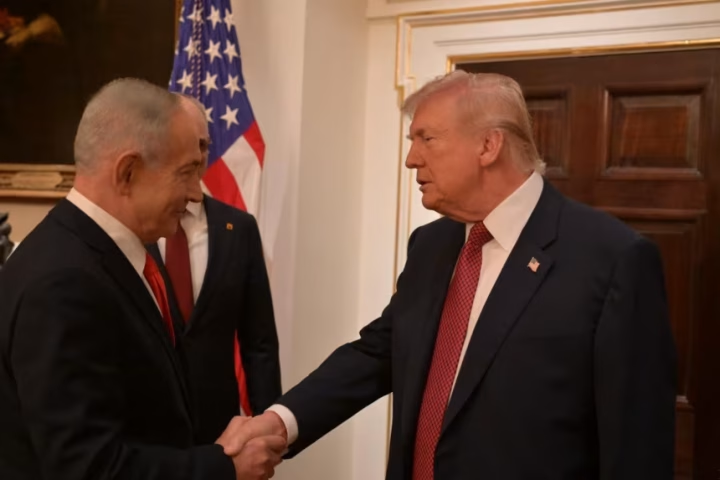
The Kremlin has stated the potential for negotiation room with Iran remains open, despite escalating threats of US military strikes. Spokesman Dmitry Peskov called for all sides to show restraint and refrain from using force. Consequently, Moscow is positioning itself as a voice for diplomacy, emphasizing available negotiation room. Peskov warned any use of force could create regional chaos with dangerous consequences. Therefore, Russia is highlighting the existing negotiation room to de-escalate the crisis. The statement comes after President Donald Trump warned the US is “ready, willing and able” to strike Iran. Iran responded its forces have their “fingers on the trigger.” The Kremlin’s assertion of untapped negotiation room underscores its role as a key ally of Tehran. This diplomatic push for negotiation room occurs as Iran faces internal unrest and external pressure. Russia’s call for utilizing negotiation room aims to prevent a conflict that could destabilize its own strategic interests.

Iran has emerged as a crucial Russian ally during the Ukraine war, supplying drones and deepening military ties. The Kremlin’s emphasis on negotiation room serves both to protect this partnership and project global diplomatic influence. Peskov’s comments directly address the US threat, suggesting dialogue is still possible. By stating negotiation room is “not exhausted,” the Kremlin offers a path away from confrontation. Independent groups report Iranian security forces killed thousands suppressing recent protests. The potential for negotiation room, however, focuses on interstate conflict, not internal repression. The statement is a classic diplomatic intervention, urging calm while asserting Russia’s relevance in Middle Eastern power dynamics. The preservation of negotiation room is now a central theme in Moscow’s crisis messaging.

Russia’s Strategic Interest in De-escalation

Russia has a clear strategic interest in preserving negotiation room between the US and Iran. A military conflict could jeopardize Iran’s supply of drones and other support for Russia’s war in Ukraine. Furthermore, war could spill over, threatening Russian interests in Syria and the broader region. By emphasizing available negotiation room, the Kremlin seeks to stabilize a volatile situation. It also positions Russia as a responsible global actor and potential mediator. The call for negotiation room allows Moscow to champion diplomacy while maintaining its alliance with Tehran. This balanced approach protects tangible military cooperation while avoiding direct confrontation with Washington. The concept of negotiation room is therefore a tool of pragmatic statecraft for the Kremlin.

The US and Iranian Postures

The US and Iran are currently in a tense standoff, with little public diplomacy. Trump’s threat of force and Iran’s promise of a powerful response suggest negotiation room is shrinking. However, the Kremlin’s statement implies that behind-the-scenes channels or third-party mediation could reactivate negotiation room. The US has not ruled out force following Iran’s crackdown on protests, which killed thousands. Iran’s foreign minister stated its forces are ready to respond. In this context, the Kremlin’s identification of remaining negotiation room is an attempt to insert a diplomatic wedge. It challenges the narrative that military action is inevitable. By affirming negotiation room exists, Russia encourages other actors to push for talks.

Broader Regional Stability Concerns

Peskov’s warning about “chaos in the region” aligns with broader international concerns. A US-Iran war would disrupt global oil supplies, trigger proxy conflicts, and cause massive humanitarian suffering. The Kremlin’s focus on negotiation room is partly a recognition of these catastrophic risks. For Gulf states and other regional players, the preservation of negotiation room is equally vital. Russia, by highlighting this, appeals to a shared interest in stability, even among US allies. The statement that negotiation room is not exhausted is a plea for collective diplomatic effort. It frames escalation as a choice, not an inevitability, and positions negotiation room as the responsible alternative.

Diplomatic Context and Potential Mediators

The Kremlin did not specify how to utilize the existing negotiation room. Potential mediators could include Oman, Qatar, or even European powers. Russia itself could offer to host or facilitate talks, though US trust in Moscow is minimal. The concept of negotiation room implies a willingness from both sides to engage, which is currently unclear. The statement may be a trial balloon to gauge if Washington or Tehran is secretly interested in dialogue. By publicly declaring negotiation room remains, Russia creates a diplomatic fact that other nations can reference. It empowers those within the US and Iranian governments who may prefer a diplomatic off-ramp to advocate for using this negotiation room.

Impact on Russia-Iran Alliance

The reaffirmation of negotiation room does not strain the Russia-Iran alliance. Instead, it demonstrates Russia’s value to Iran as a diplomatic shield in international forums. Iran benefits from having a UN Security Council member argue for dialogue over war. The emphasis on negotiation room provides Iran political cover without requiring concessions. For Russia, it maintains the alliance while avoiding being dragged into a direct conflict with the US. The partnership is based on mutual interest, not ideological solidarity, so preserving negotiation room serves both parties. The statement is a low-risk, high-reward diplomatic move that strengthens Russia’s hand as a partner.

Future Outlook and Path to Dialogue

The immediate outlook remains precarious, but the Kremlin has planted a seed for diplomacy. The key is whether other major powers, like China or European states, echo the call that negotiation room exists. A collective international push could create momentum for talks. The upcoming UN General Assembly or Security Council sessions may become venues to explore this negotiation room. The statement raises the diplomatic costs for any party seen as rejecting dialogue. If hostilities do erupt, Russia can claim it advocated for using available negotiation room. For now, the message is clear: from the Kremlin’s perspective, the door is not yet closed.

The Kremlin’s intervention is a calculated appeal for calm. By insisting the potential for negotiation room is not exhausted, Russia seeks to slow the march toward war. Whether Washington or Tehran heeds this call will determine the next phase of this crisis. In a region often short on diplomacy, the preservation of negotiation room is a small but crucial hope. The world will now watch to see if this opening is exploited or ignored.

Latest from Blog

GCC Sukuk Issuance Expected to Slow in 2026

GCC sukuk issuance is expected to slow during 2026 as prolonged geopolitical tensions in the Middle East weigh on investor sentiment, economic growth and regional financing activity. According to S&P Global, growth

UAE’s EDGE Acquires 80% Stake in Italy’s CMD

EDGE Group has agreed to acquire an 80% stake in Italian propulsion systems manufacturer Costruzioni Motori Diesel as the Abu Dhabi-based defence conglomerate accelerates its expansion across Europe. The transaction marks another

City Centre Mirdif Guide for Shopping and Fun

This City Centre Mirdif guide shows why City Centre Mirdif stands out as one of Dubai’s most convenient and complete retail destinations. Whether you travel from Sharjah, Deira, or central Dubai, the

Dubai Travel Hacks to Cut Daily Costs

The Dubai travel hacks you use daily can make a real difference in how much you spend getting around the city. While transport in Dubai is efficient, costs can quickly rise with

Dubai Flight Disruptions Affect Global Airlines

The Dubai flight disruptions continue to reshape global travel plans, as airlines adjust schedules and cancel routes amid ongoing operational constraints at Dubai International Airport. A reduced flight schedule remains in place,

Dubai Villanova Expansion Adds 850 Homes

Dubai Villanova expansion is gaining momentum as developers respond to rising housing demand across the emirate. As a result, Dubai Properties has awarded nearly Dh1.1 billion in construction contracts to grow its

Don't Miss